The Historical Crossroad

Located along the ancient Via Francigena, San Quirico d’Orcia was once an important stop for medieval pilgrims on their way to Rome. Today it enchants visitors with stone streets, Romanesque churches, and Renaissance gardens—while still welcoming modern-day pilgrims and cyclists.
At the heart of town lies Piazza della Libertà, lined with cafés and home to the entrance of the Horti Leonini gardens. Created in 1580 by Diomede Leoni, a friend of Michelangelo, these Renaissance gardens remain open to the public. Their star-shaped boxwood hedges blend geometric harmony with the surrounding medieval walls and cypress trees. At the center stands a statue of Cosimo III de’ Medici.
Traditions remain alive here too. Every June, San Quirico celebrates the Festa del Barbarossa, commemorating the visit of Emperor Frederick I in 1155. Locals dress in medieval costume, parades animate the streets, and the contrade (districts) compete in an archery contest with crossbows.
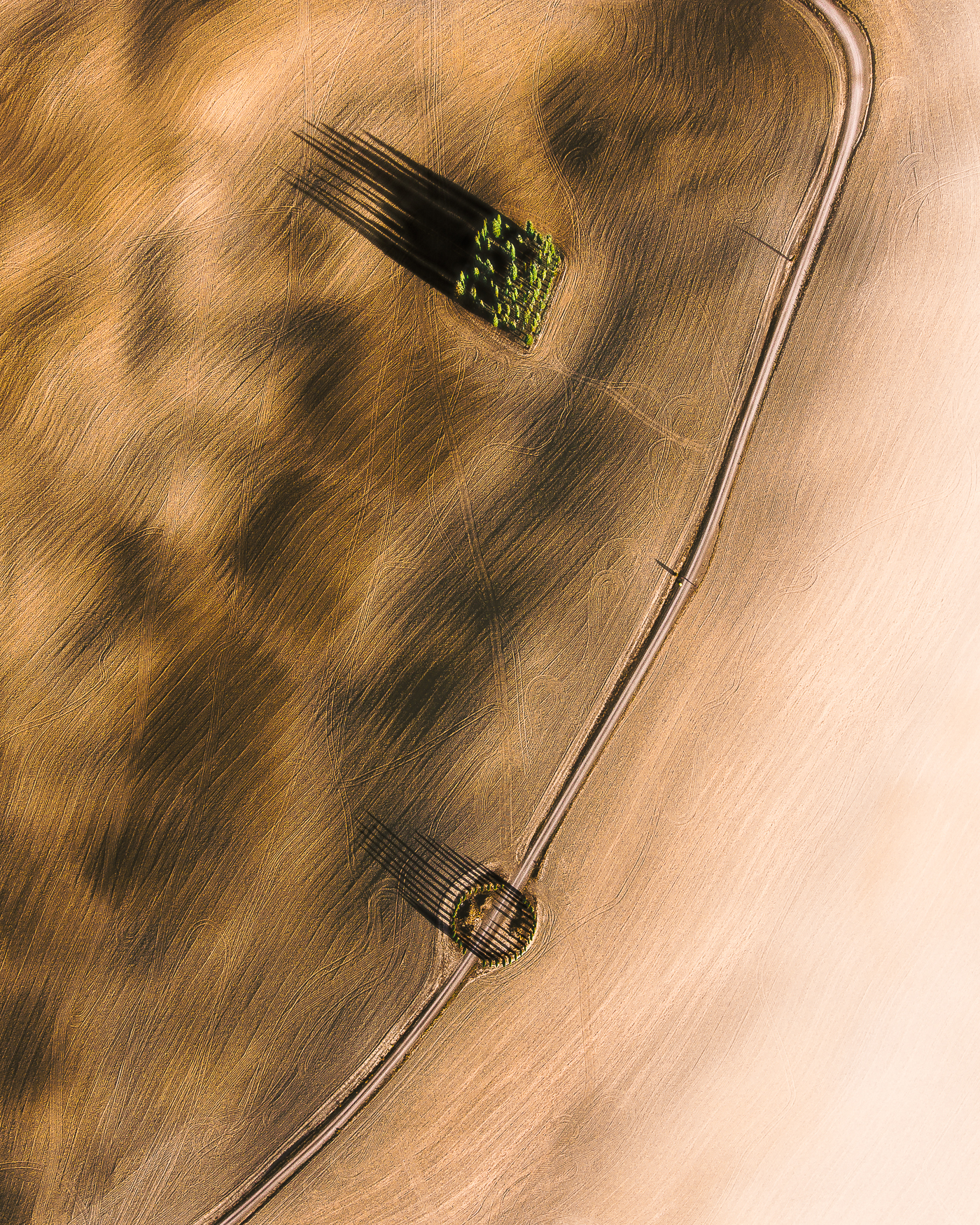
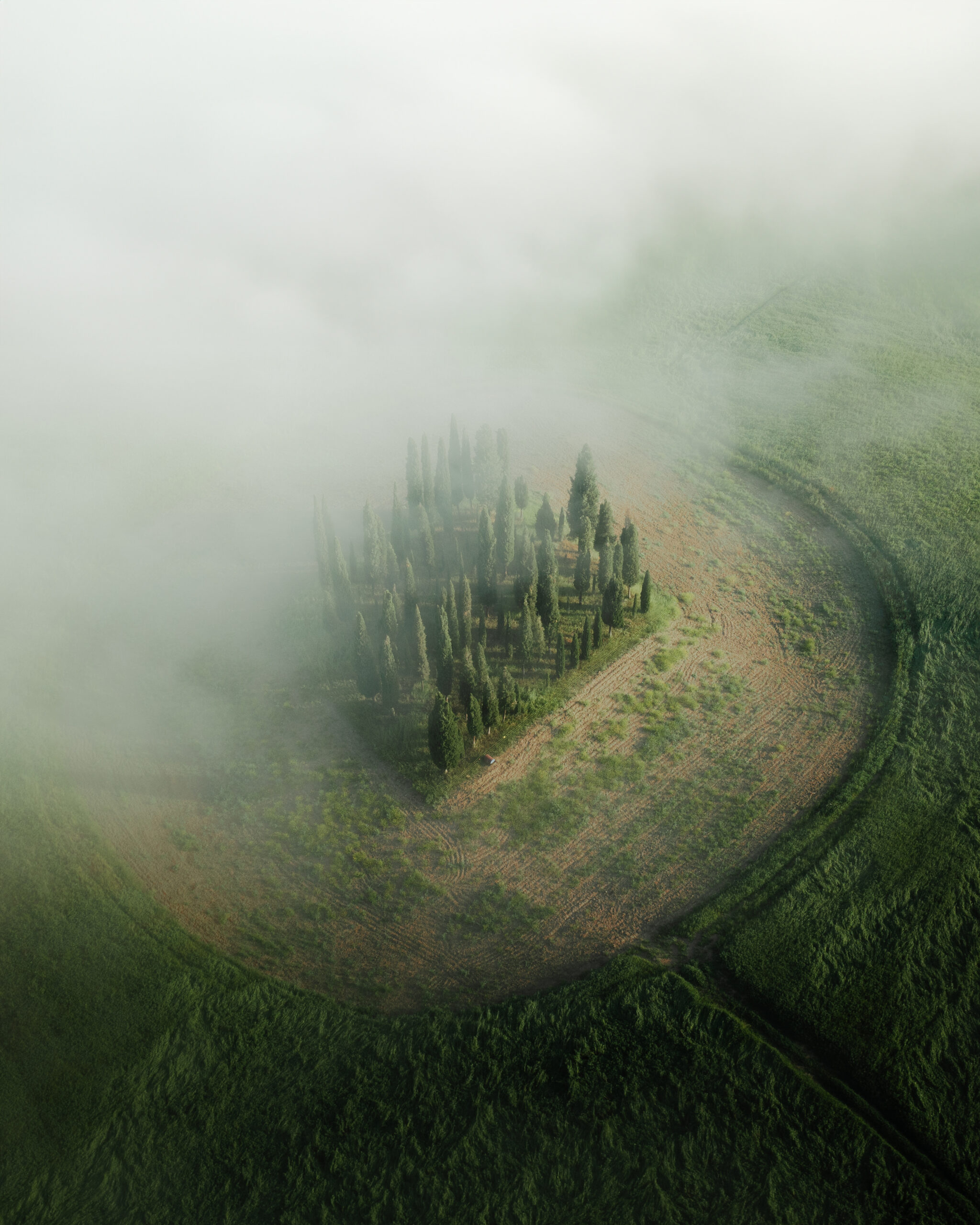
Just outside the town, several sights are not to be missed. The so-called Gladiator Gate, a simple rusty gate, opens onto the road where Russell Crowe’s character in the movie Gladiator dreamt of returning home among golden fields and cypress-lined paths (note: another famous filming location, the “Gladiator Road,” is just outside Pienza). Nearby is Podere Belvedere, perhaps the most iconic view of the Val d’Orcia, so popular with painters and photographers that you might even spot the marks of tripod legs in the soil. A little further stands the Chapel of Vitaleta, a small 16th-century church framed by cypress trees, especially striking at sunrise or sunset. And along the road toward Montalcino you’ll find the famous Cypress Group of San Quirico. Originally planted to trap migrating birds—a practice now banned—these circular clusters of trees have become one of the most photographed landmarks of the Val d’Orcia, perfectly capturing the balance between human tradition and nature.