The Ideal Renaissance City

The town of Pienza takes its name from Pope Pius II, who was born here. Its meaning is simple: the city of Pius. When he was elected pope in 1458, he resolved to transform his birthplace—then the unimportant village of Corsignano—into the ideal Renaissance town, worthy of a pope’s legacy. He entrusted this vision to the architect Bernardo Rossellino, and within just four years a harmonious fifteenth-century town had emerged. After the pope’s death, Pienza slipped from the spotlight, leaving it remarkably preserved. Today, it stands as one of the finest examples of Renaissance urban design.
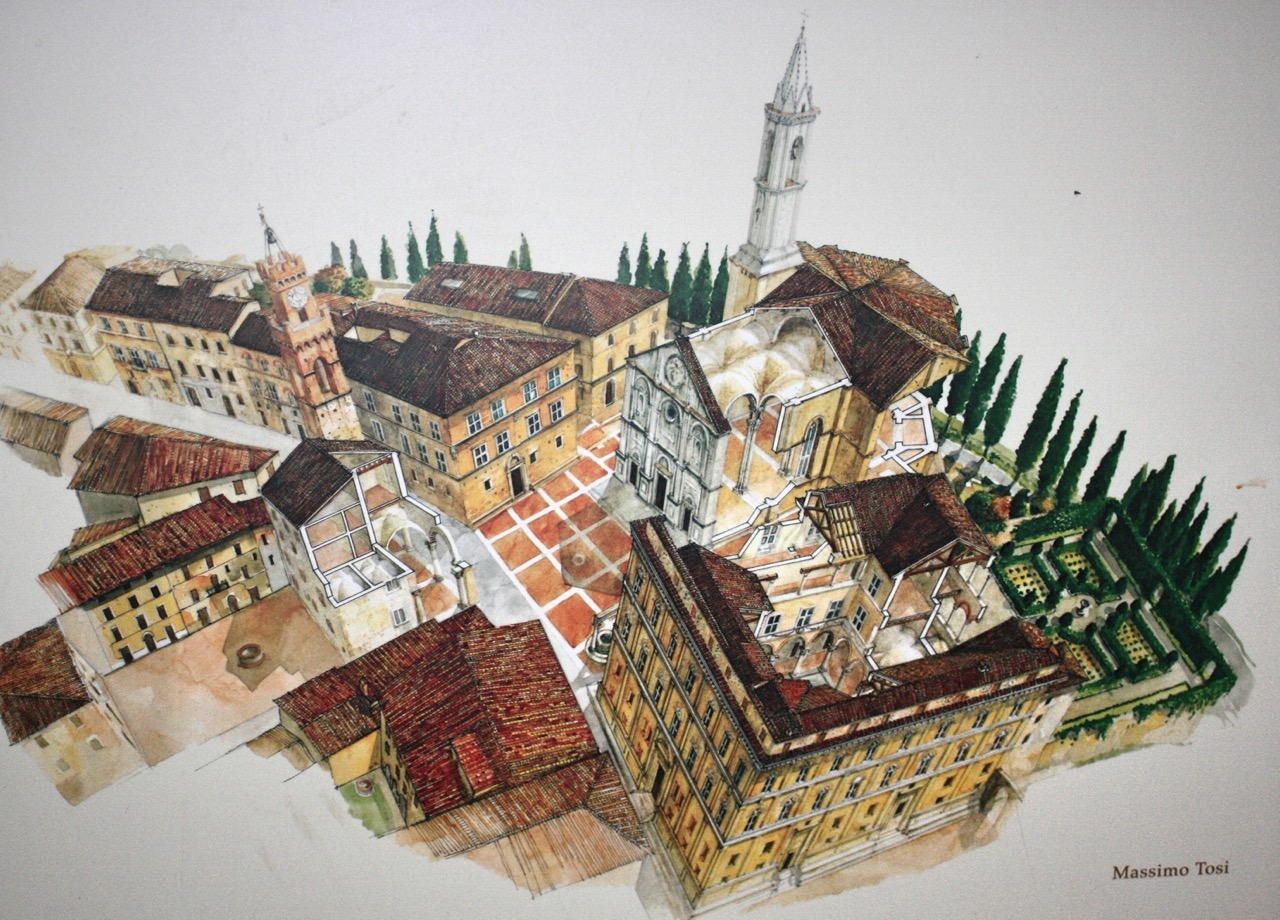
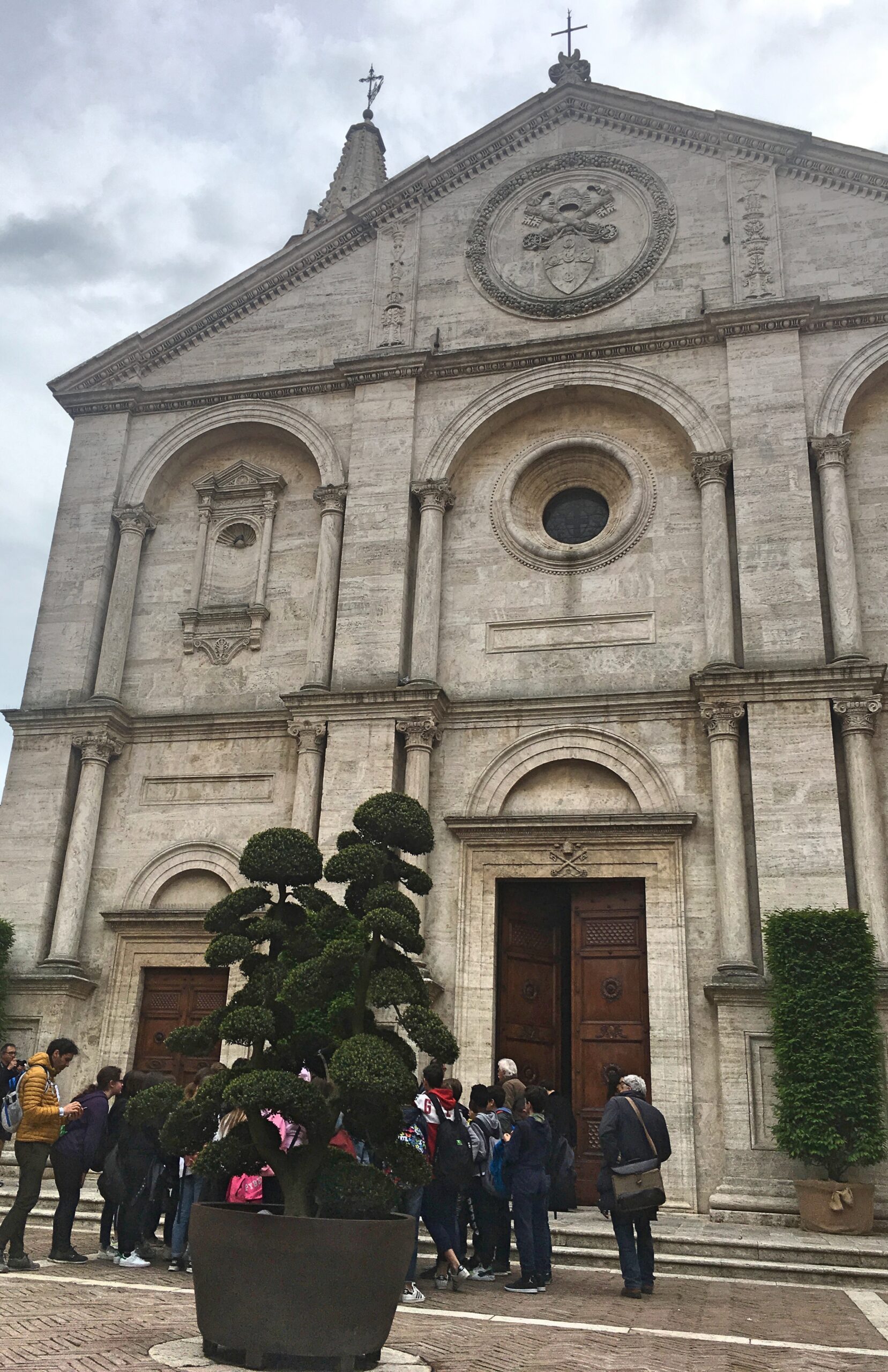
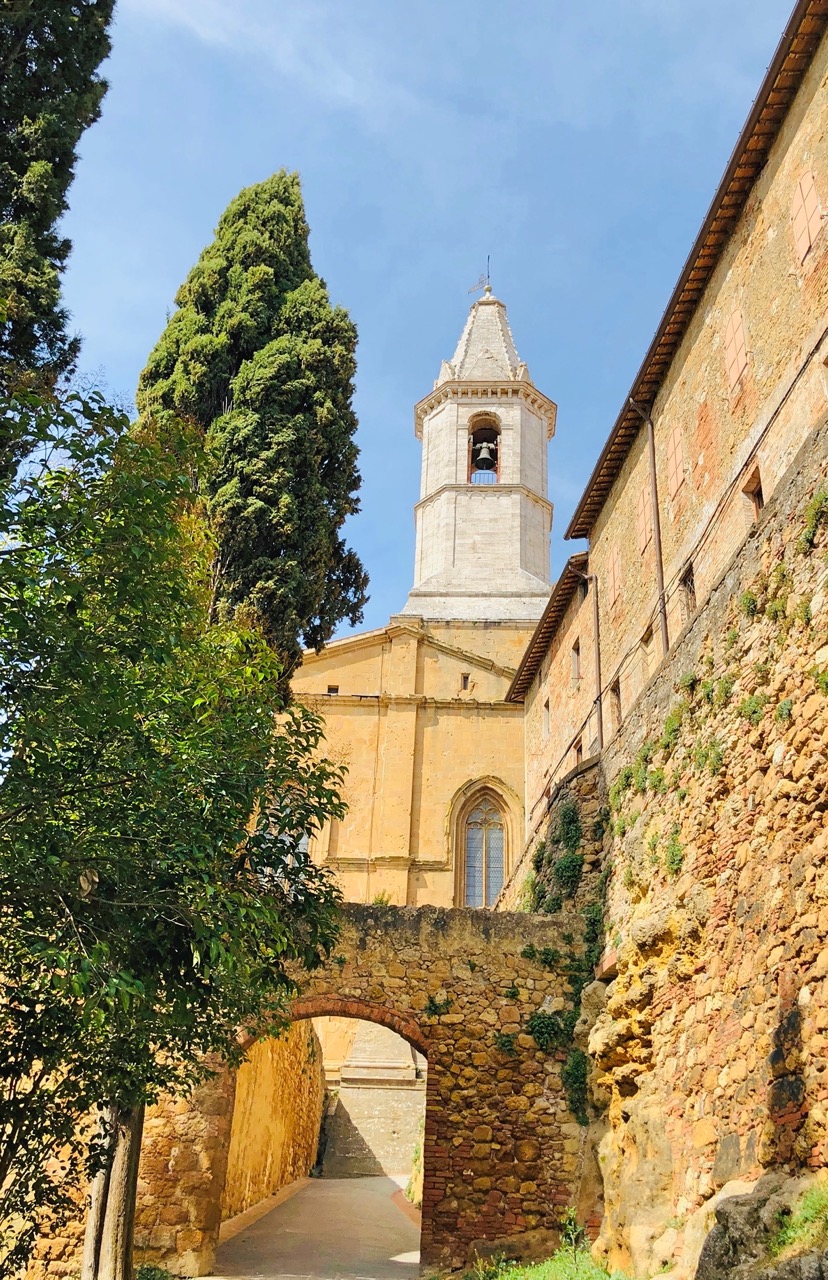
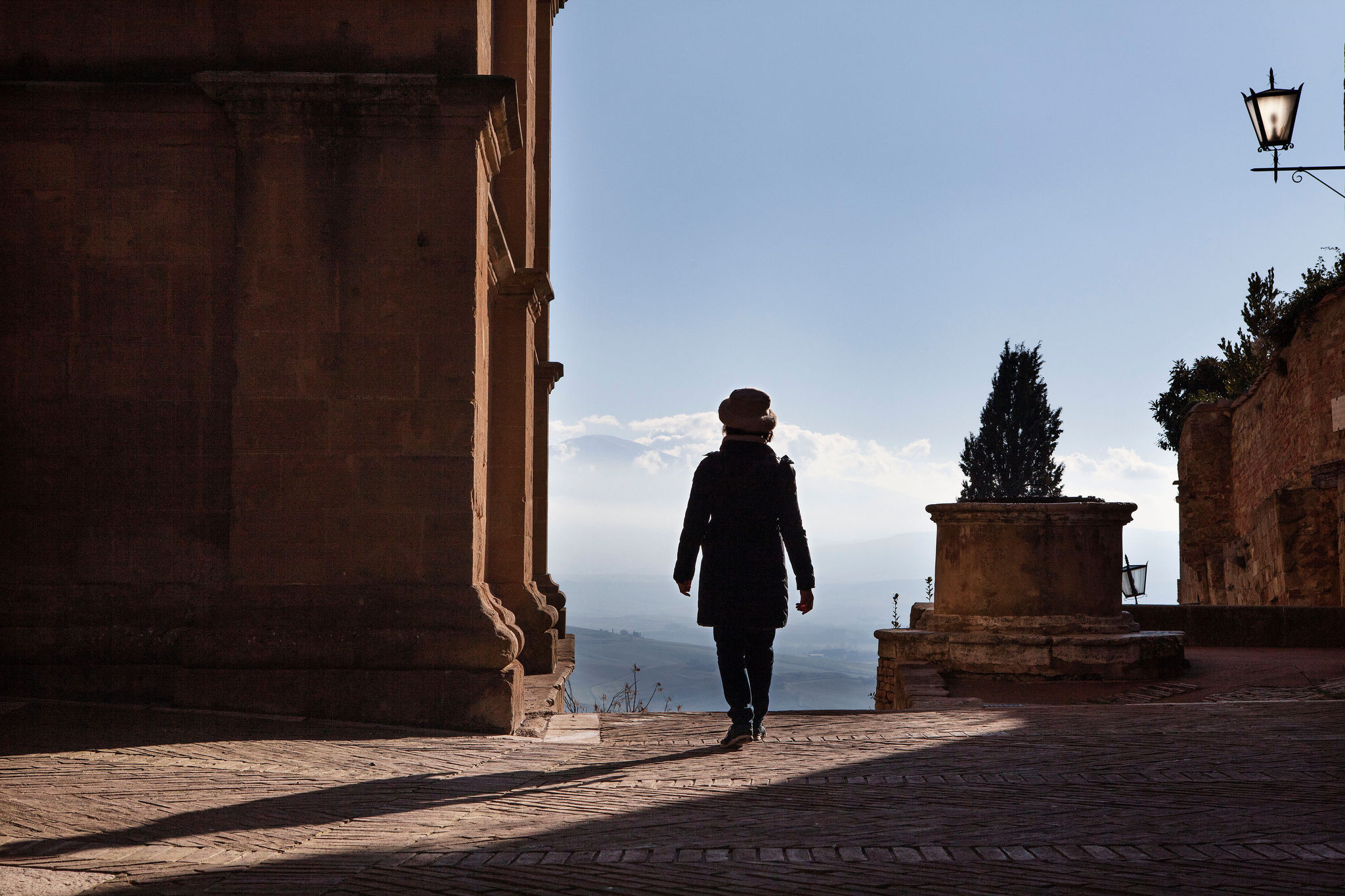
The historic center is entirely pedestrian, with Piazza Pio II as its elegant heart. Dominating the square is the Cathedral of Santa Maria Assunta. Its ambitious design—complete with a bell tower that had to rise above all civic buildings to assert the Church’s dominance—brought structural challenges. Even today, near the main apse, the ground seems to give way, a reminder of the scale of the project.
Pienza is also celebrated as the capital of pecorino toscano, Tuscany’s traditional sheep’s cheese. Here, you can taste pecorino in all its forms, from delicate and fresh to bold and aged. If you visit in late summer, don’t miss the lively Fiera del Cacio, the annual cheese festival where locals compete by rolling wheels of pecorino toward a wooden spindle in the main square.
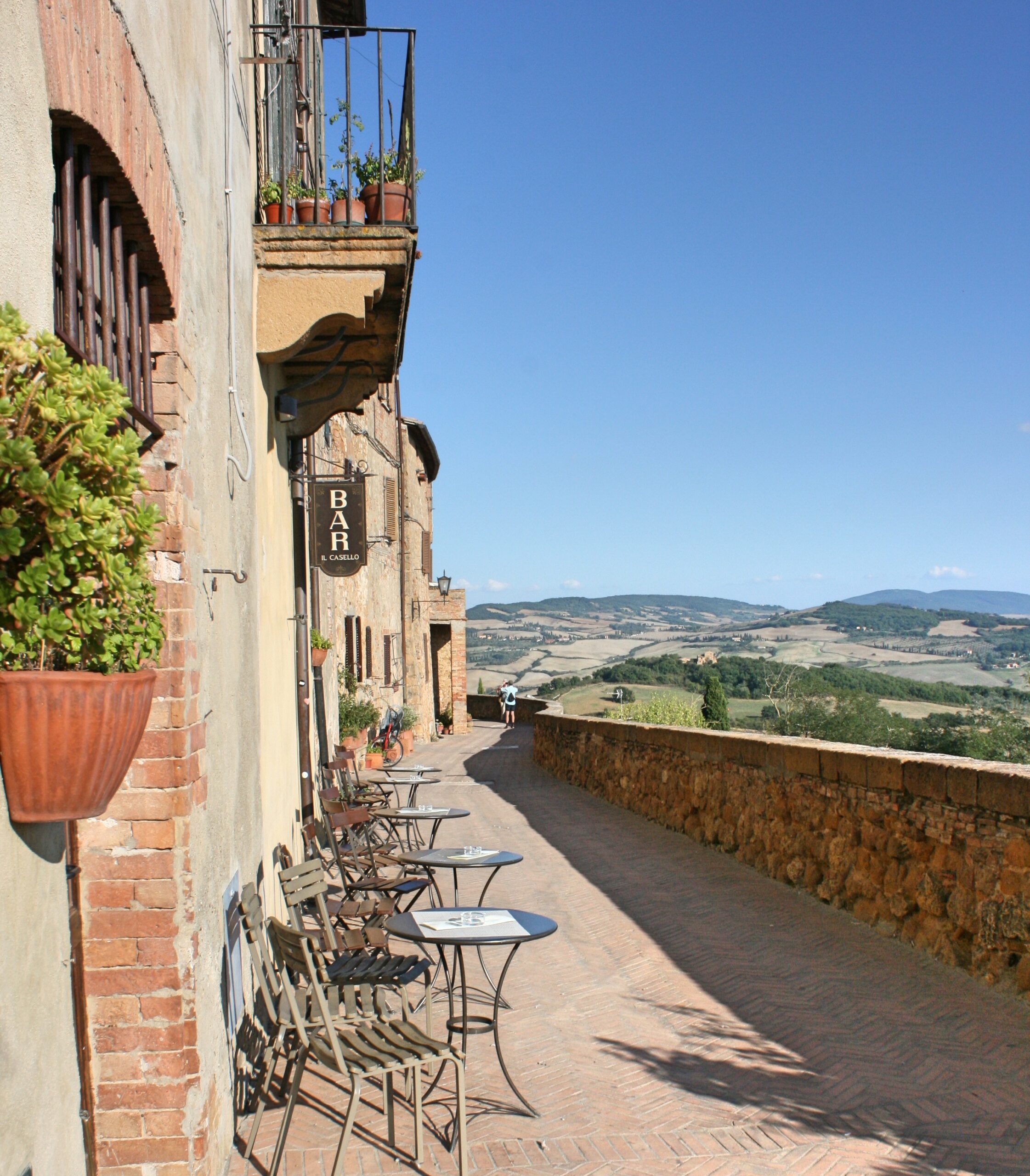
Beyond its monuments and flavors, Pienza is a town made for wandering. Stroll along Via del Casello, a street on the ramparts with sweeping views of the Val d’Orcia: rolling hills, cypress-lined roads, Monte Amiata, and villages such as Monticchiello and Radicofani. Pause for artisanal gelato at Fredo Il Gelato or simply enjoy a hand-in-hand walk along the romantic Via dell’Amore (Street of Love) and Via del Bacio (Street of the Kiss).
It is no coincidence that Pienza is a UNESCO World Heritage Site: here, history, architecture, and landscape come together in unique harmony.