One Village, One Theatre
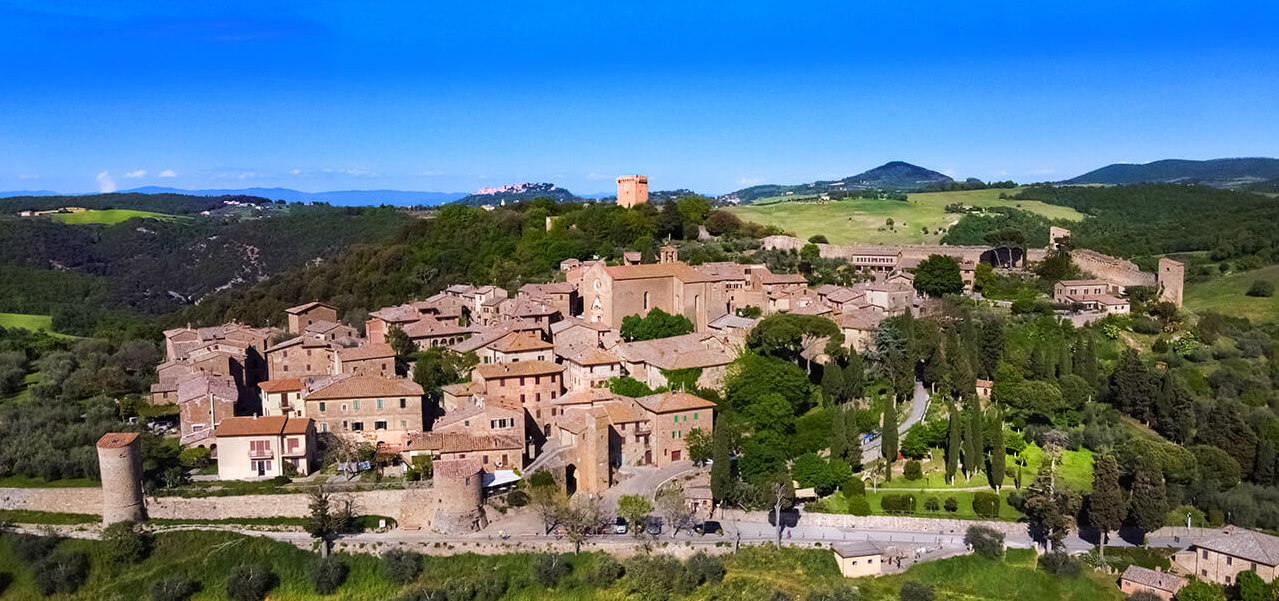
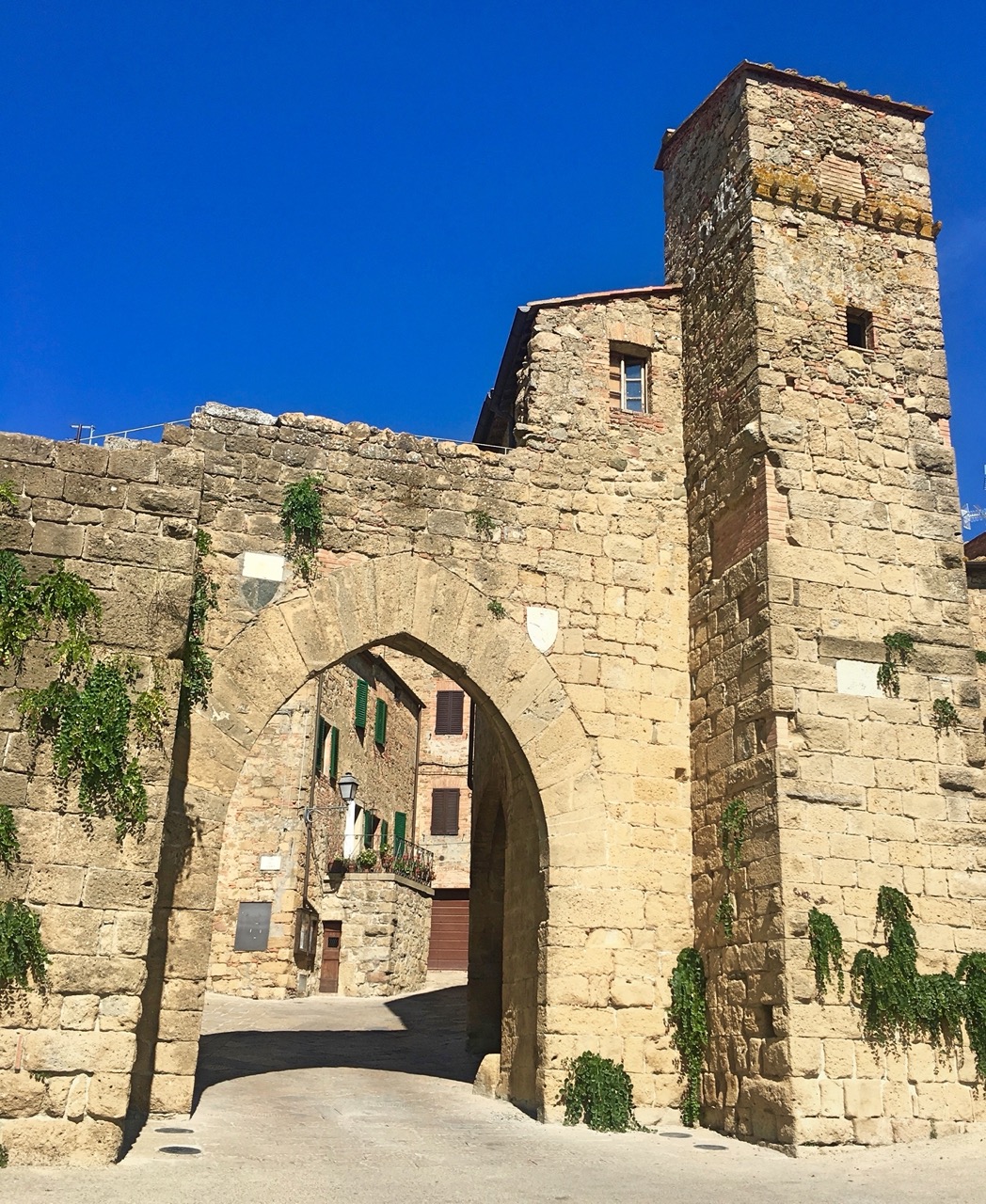
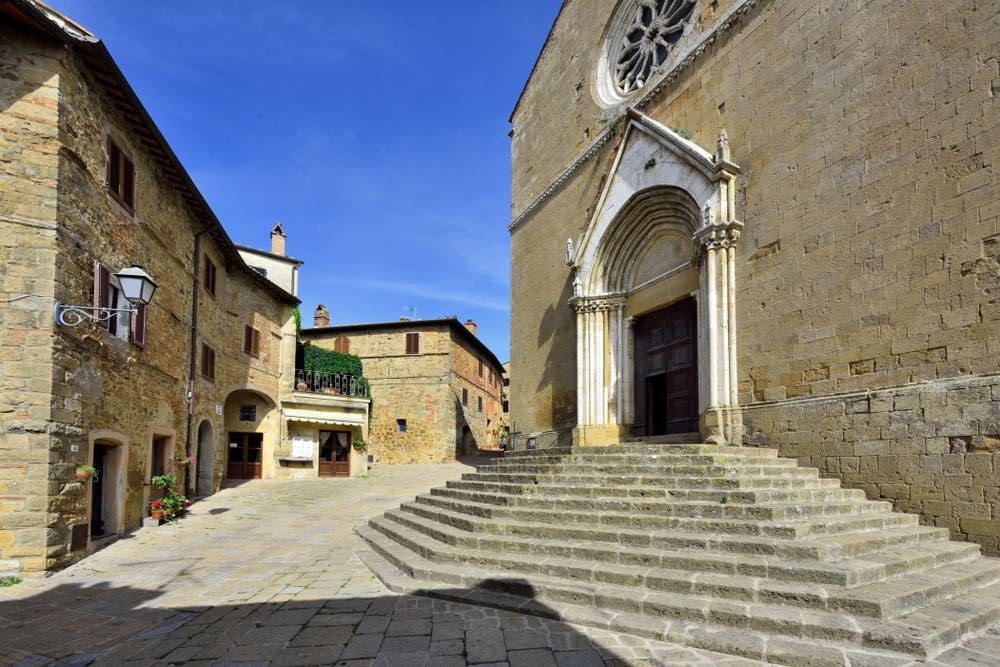
Monticchiello is a tiny medieval village perched above the Val d’Orcia, sometimes called the “little sister of Pienza” since it was part of Pienza’s defensive network under Pope Pius II. Recognizable from afar by its sturdy tower and well-preserved gate, Monticchiello flourished in the 13th century when the community allied with the Republic of Siena, building its fortress walls, church, and council hall. Its narrow streets still preserve the atmosphere of a proud little commune that once governed itself, where families actively participated in politics through the “Council of one per family”.
History left dramatic marks here. In 1559, Monticchiello surrendered after a long siege by Medici troops, beginning centuries of decline. In the First World War, it lost 30 young men—more than 5% of its population. During the Second World War, the village narrowly escaped a massacre by Nazi troops. After the war, the centuries-old sharecropping system (mezzadria) was abolished, and many families left the countryside for factory work in northern cities. The community’s social fabric was broken and had to be reinvented.
That reinvention gave birth to Monticchiello’s unique cultural tradition: the Teatro Povero. Every summer, the townspeople stage a play they write and perform themselves. This living autodrama emerged as a way to process the profound changes in their lives, turning the village square into a stage and preserving a remarkable sense of community.
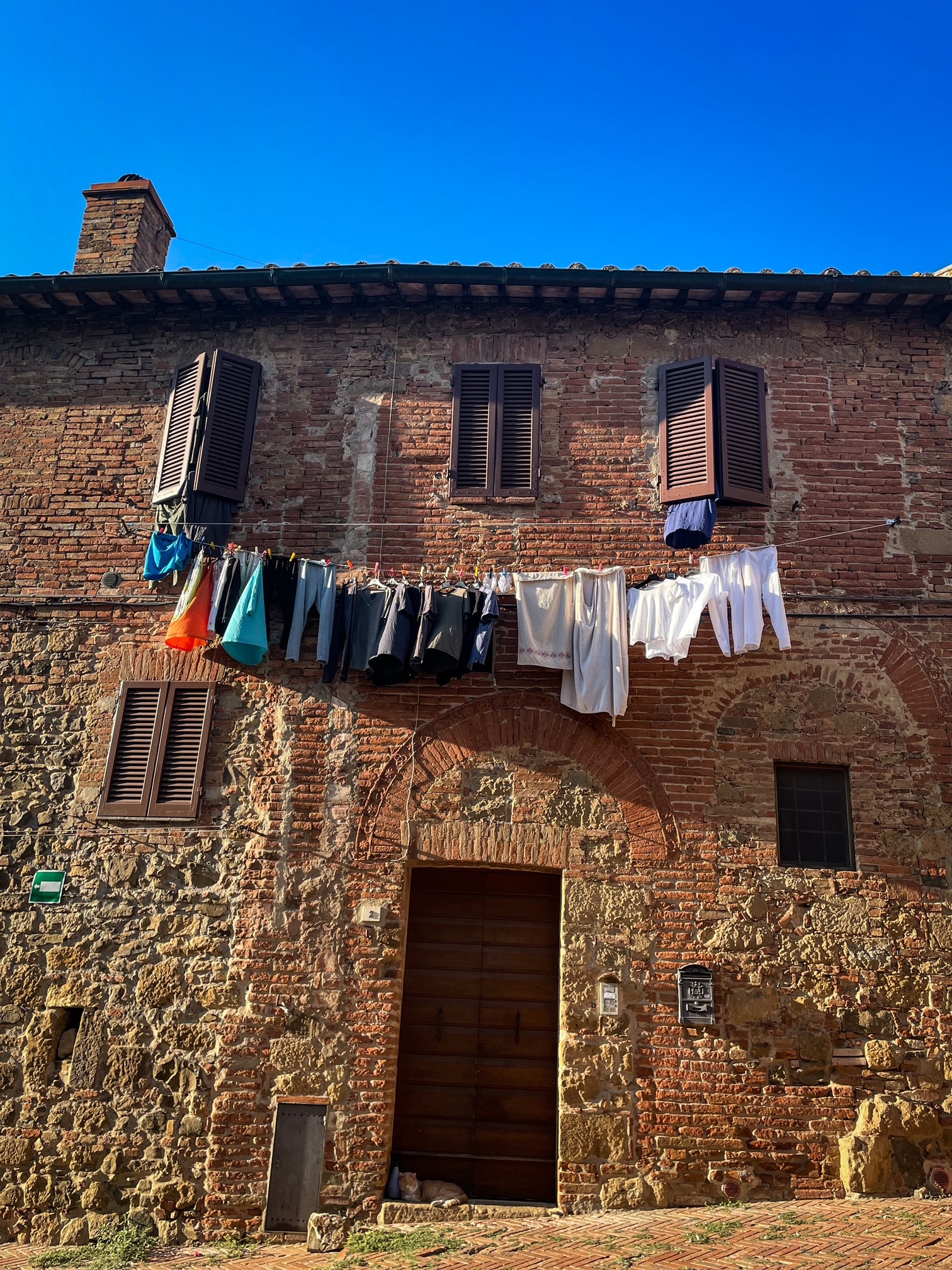
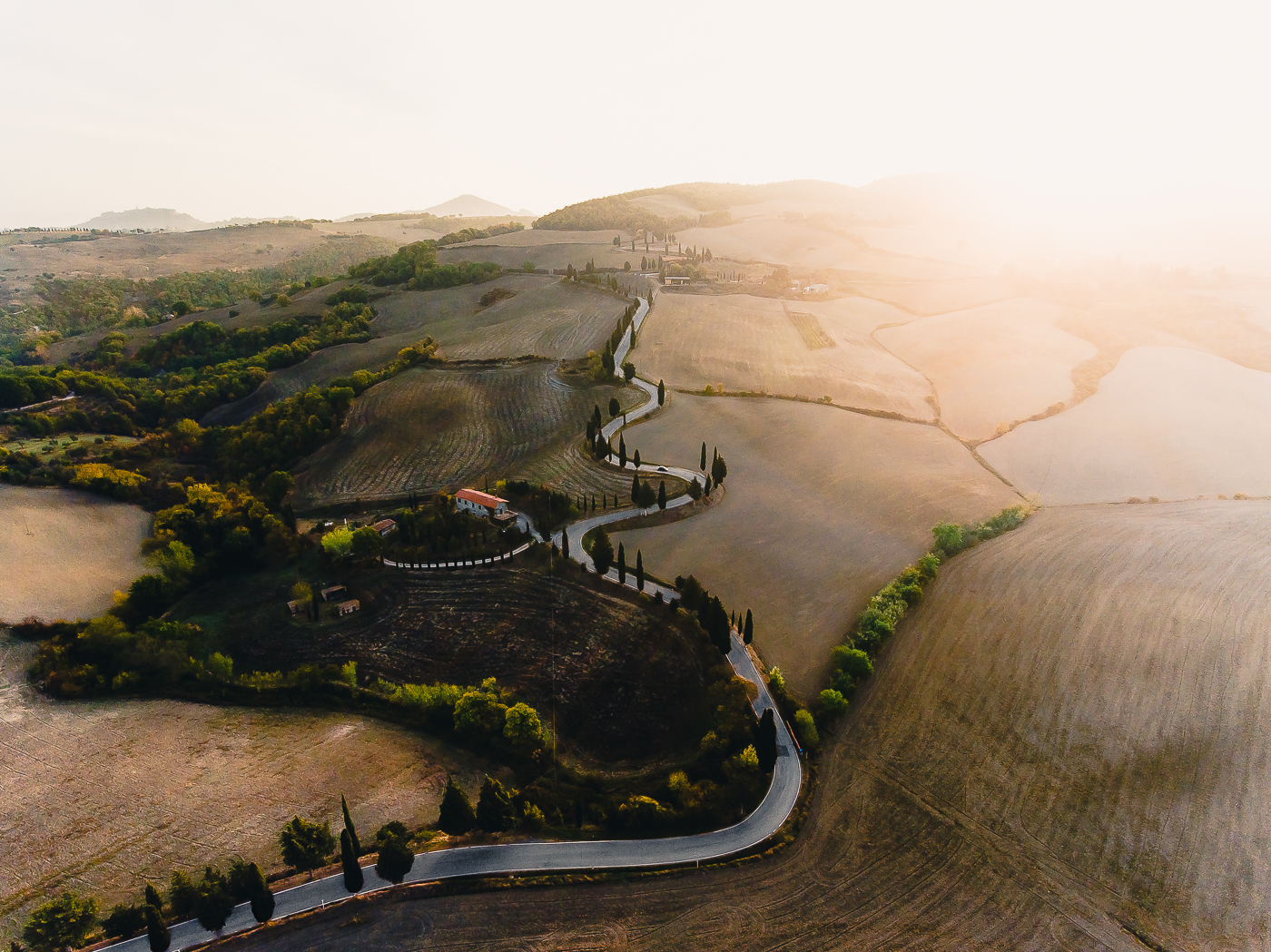
And yet, you can also set aside the history and simply admire Monticchiello’s stone houses and defensive walls rising above one of Tuscany’s most photographed landscapes. Enjoy the “balcony of the Val d’Orcia”, with its sweeping views of winding cypress-lined roads and rolling hills that change color with the seasons.